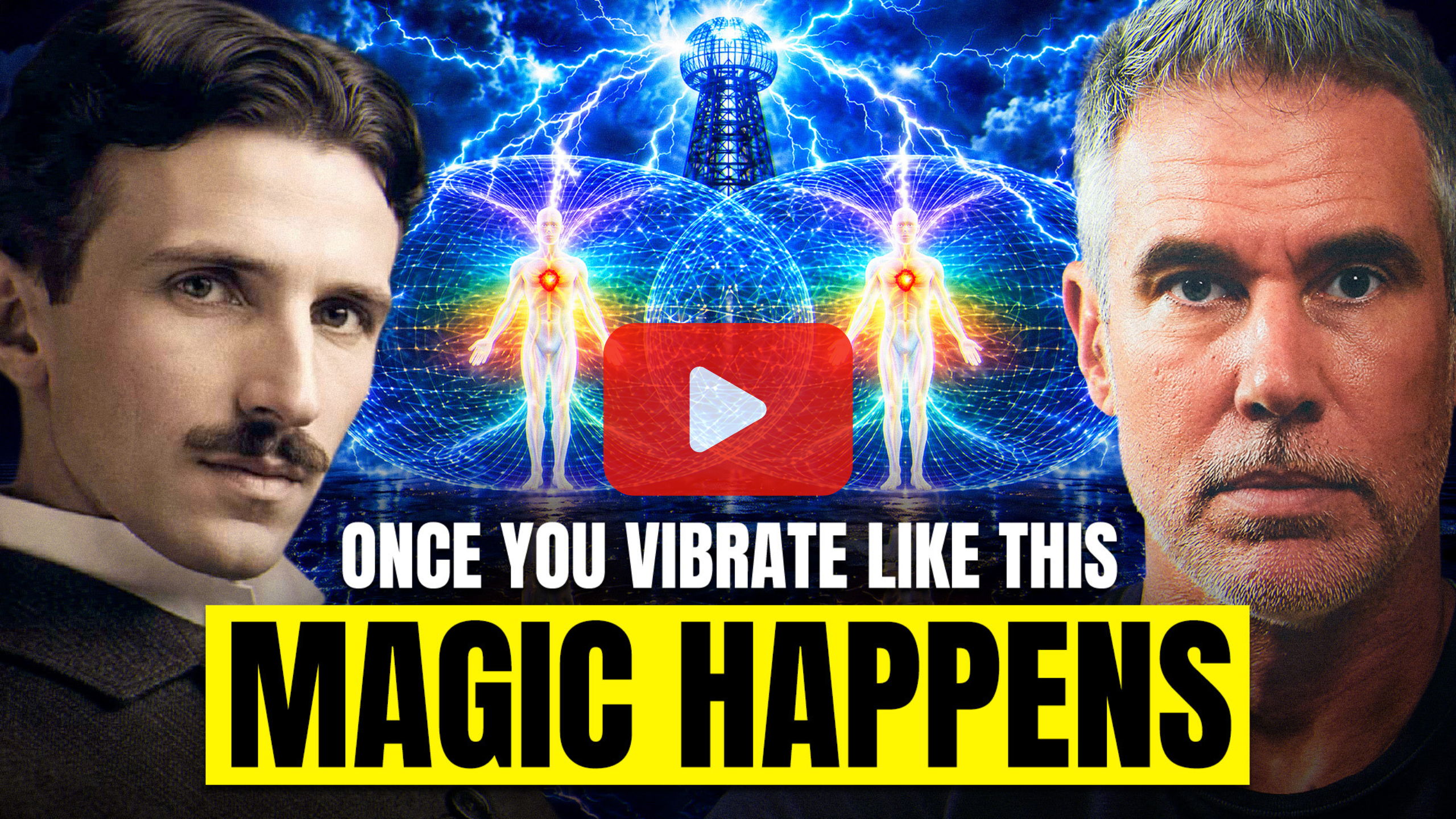
Episode 279 – Nikola Tesla, Finally Explained
Subscribe on: APPLE PODCASTS | SPOTIFY | YOUTUBE | GOOGLE | RSS
Note: This blog post serves as an accompaniment to the corresponding podcast episode of A Changed Mind, where we’ll distill down the core ideas of this week’s theme, along with additional distinctions and insights. If you haven’t listened to the episode yet, you can go here to do so. Enjoy.
Take the free Limiting Beliefs Discovery Assessment – a 5-minute experience that reveals the exact beliefs holding back your income, health, relationships, and personal growth — and gives you the proven tool to transform them  https://www.wholehuman.com/decision
In this episode of A Changed Mind, David Bayer argues that Nikola Tesla’s greatest contribution was not electricity. It was a philosophy of reality most people still have not caught up to.
Tesla could see an invention completely finished in his mind before he built it. He would assemble the machine in his imagination, run it, watch where it failed, make adjustments, and only then touch a physical component. David uses that as the entry point into five principles about energy, consciousness, intuition, and the invisible forces shaping a life.
First, everything begins with energy, and David makes it practical fast. Your emotional state is felt through the nervous system, and your nervous system is electrical. Whether or not you like the word frequency, your internal state determines what you notice, what you believe is possible, and every decision that follows.
Second, the mind is a receiver. Tesla described his brain not as the source of his ideas but as a device tuning into a field of information, an idea mirrored across traditions that called it the Akashic, the ether, the unified field, or the Force.
Third, the invisible shapes the visible. You cannot see a belief, but you can see what it produces, and David walks the loop where behavior created by a belief generates the circumstances that prove the belief right.
Fourth is resonance, where David tells the story of the decision he made with strong conviction, that he would meet a beautiful, intelligent Colombian woman and make her his wife, and the coincidences that put him in a room hours from home two weeks later.
Fifth, Tesla’s 1900 essay The Problem of Increasing Human Energy becomes a daily question: are you increasing your capacity or diminishing it? Fear, resentment, and internal conflict consume enormous energy, and David makes the case that our systemic problems are trauma externalized. The alternative is not tearing old systems down but aligning with truth well enough to build something new.
Watch This Episode On YouTube