Episode 280 – How To Become The Luckiest Human Alive
Subscribe on: APPLE PODCASTS | SPOTIFY | YOUTUBE | GOOGLE | RSS
Note: This blog post serves as an accompaniment to the corresponding podcast episode of A Changed Mind, where we’ll distill down the core ideas of this week’s theme, along with additional distinctions and insights. If you haven’t listened to the episode yet, you can go here to do so. Enjoy.
Take the free Limiting Beliefs Discovery Assessment – a 5-minute experience that reveals the exact beliefs holding back your income, health, relationships, and personal growth — and gives you the proven tool to transform them  https://www.wholehuman.com/decision
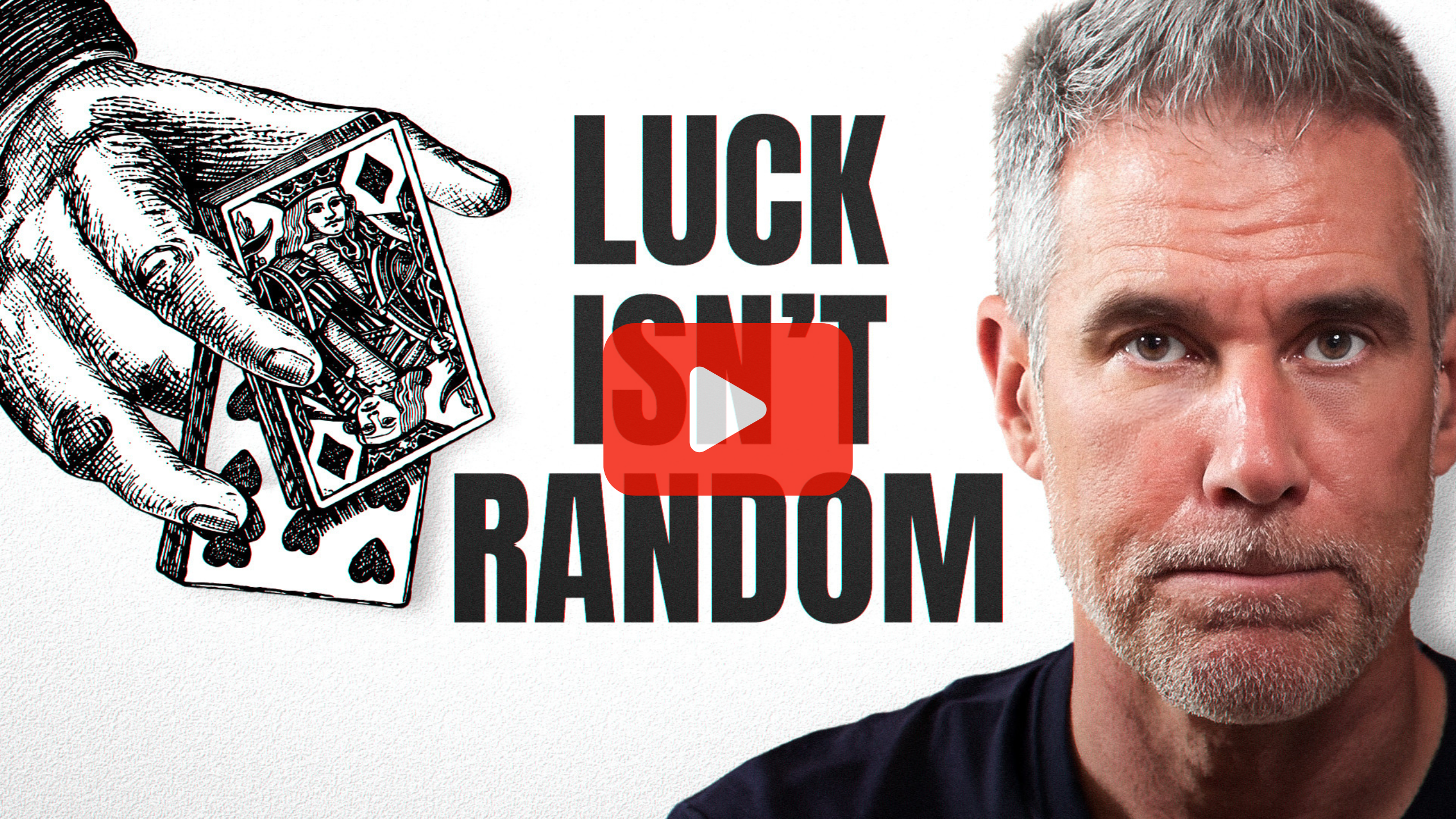
In this episode of A Changed Mind, David Bayer shows why luck is not something that happens to you. It is something you manufacture, and there is a mechanism behind it.
He starts with the research. Psychologist Richard Wiseman spent years studying people who considered themselves exceptionally lucky or unlucky and found they interact with the world differently. Lucky people expect good things, stay open to the unexpected, and notice information they were not looking for. In one experiment, participants counted photographs in a newspaper while a message inside told them to stop counting because there were 43. The unlucky ones missed it. The opportunity was there for everyone, but not everyone perceived it.
David connects that to what he teaches. Your beliefs do not just shape what you think, they shape what you notice, and in a primal state your nervous system is busy scanning for threats instead of possibilities. He shares the 80/20 rule from working with thousands of entrepreneurs: 80 percent mindset, 20 percent tactics, and how often clients return saying the opportunities were already in front of them. He adds the concept of luck surface area, borrowing Tony Hsieh’s idea of collision points, and shows how expectation and exposure compound.
Then the episode turns. The science explains why you noticed the person across the room. It does not explain why someone you have not thought about in three years pops into your head five seconds before they call. David brings in Carl Jung, the scarab beetle story, and Jung’s collaboration with physicist Wolfgang Pauli exploring unus mundus, the idea that mind and matter may not be as separate as they appear. He illustrates the timing problem with a smoothie: how many blueberries you scoop determines when you run out, which determines when you shop, which determines which lights you hit, which determines who turns the corner in aisle 7.
The final movement is the mechanism. Your beliefs do not only change how you respond to reality, they change how reality responds to you, and the medium is frequency. Your thoughts are electrical activity broadcast into what David calls a superconscious matrix, received subconsciously by other people who then make what feel like independent decisions. He is explicit that this is not about repeating affirmations while your subconscious screams the opposite. Change the underlying belief and the frequency changes, and what everyone else calls luck is the visible evidence of an invisible process.
Watch This Episode On YouTube