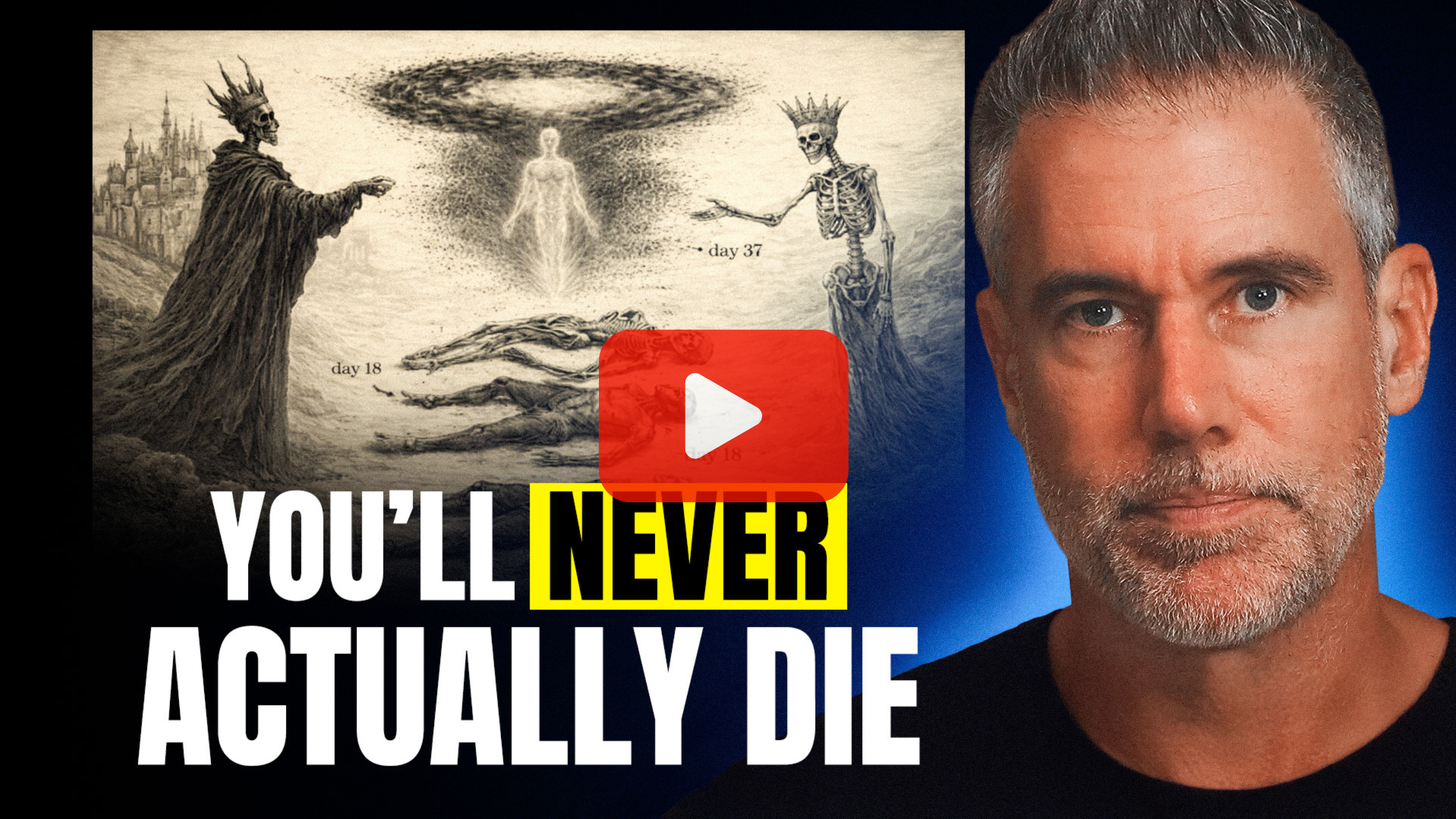
Episode 220 – The Afterlife, Finally Explained
Subscribe on: APPLE PODCASTS | SPOTIFY | YOUTUBE | GOOGLE | RSS
Note: This blog post serves as an accompaniment to the corresponding podcast episode of A Changed Mind, where we’ll distill down the core ideas of this week’s theme, along with additional distinctions and insights. If you haven’t listened to the episode yet, you can go here to do so. Enjoy.
In this episode of A Changed Mind, David Bayer presents a framework that may permanently change how you see your struggles, your trauma, and even death itself—revealing that your challenges aren’t happening to you, they were chosen by you.
Drawing from near-death experience research, Rosicrucian teachings, and Rudolf Steiner’s work on human development, David walks through what the ancients believed actually happens after you die—and why understanding it transforms how you live now. He explains the panoramic life review process called kamaloka, where you experience the full impact of your life from others’ perspectives, and devachan, the spirit world where your soul integrates lessons and prepares for its next incarnation. Far from being abstract theology, this framework reframes every difficult relationship, financial struggle, and personal setback as deliberate architecture—resistance training you designed before birth to develop the exact qualities your soul came here to master.
One of the most practically powerful ideas David shares is the relationship between your core childhood trauma and your adult personality. Your personality, he explains, is a compensatory mechanism built around your earliest wound. A child who felt unsafe became an adult who controls. A child who wasn’t heard became an adult who hides. This compensation works—until around your early 40s, when Rudolf Steiner’s concept of septenniums kicks in and the neurological overdevelopment of your coping strategy begins to suffocate you. This is the invitation to transform trauma into its corresponding gift and step into who you actually came here to be.
Watch This Episode On YouTube